

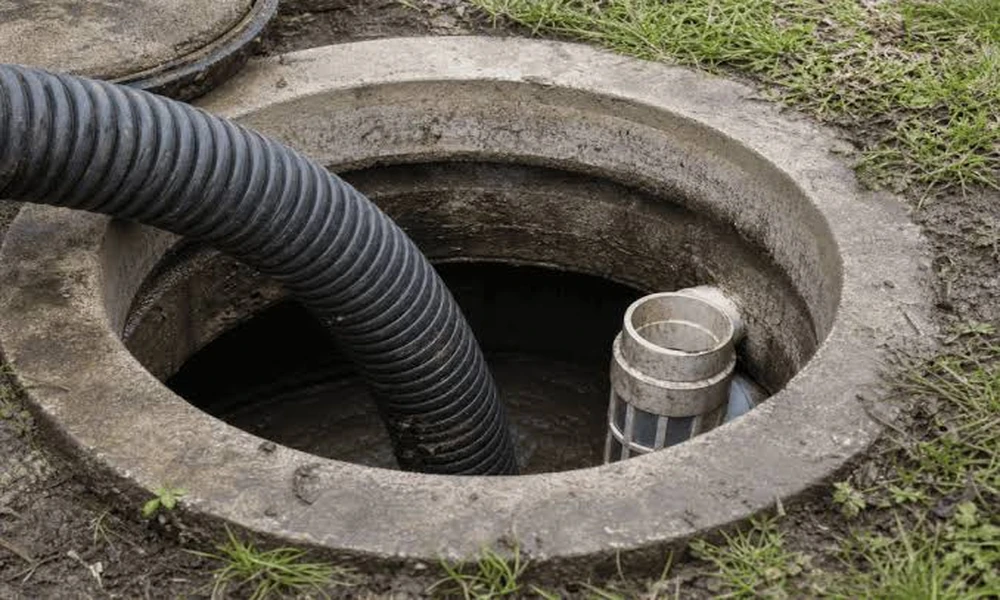
There is more to septic tank pumping than putting a hose into the ground and removing wastewater. Technicians have to account for tank compartments, waste levels, suction equipment, and the condition of internal components to complete the job properly. Understanding these details helps property owners know what to expect during service and why certain steps matter for maintaining a working septic system.
Finding the Right Access Points Before Pumping Begins
Septic tanks have access openings that allow technicians to reach accumulated waste and inspect internal components. Depending on the system’s design, these openings may sit beneath removable lids, underground risers, or several inches of soil.
Locating the correct openings matters because many residential tanks contain two compartments. Pumping through a single inspection port may leave sludge behind in areas the suction hose cannot reach. Professional technicians identify the main access points and carefully open them without damaging lids, risers, or surrounding connections.
How Technicians Measure the Waste Inside a Tank
A tank that looks full of liquid is not necessarily overdue for pumping. Septic systems normally maintain a liquid level near the outlet pipe, allowing incoming wastewater to displace an equal amount toward the drain field.
Technicians assess maintenance needs by measuring the thickness of sludge and scum layers. Specialized measuring tools help determine how close accumulated solids have come to the outlet opening.
These measurements also help establish appropriate service intervals. Household occupancy, tank capacity, and wastewater habits affect how quickly solids accumulate, so actual waste levels provide more useful information than relying entirely on the date of the previous pump-out.
Vacuum Equipment Does More Than Remove Liquid Waste
Professional septic tank pumping services use vacuum trucks equipped with sealed holding tanks, suction hoses, and pumps. The equipment creates a pressure difference that moves wastewater and suspended solids from the septic tank into the truck.
Thick sludge presents a greater challenge than liquid waste because settled material can become compacted over time. Operators may loosen deposits and mix them with remaining wastewater to improve suction.
Proper hose placement also affects cleaning results. Technicians reposition the hose to reach accessible areas and remove both settled sludge and floating scum rather than simply lowering the liquid level.
Why Every Compartment Needs Proper Cleaning
Many septic tanks use separate compartments to improve wastewater treatment. The first chamber receives incoming household waste and collects much of the heavier material. Liquid then passes through an internal opening into the second chamber, where additional settling occurs before discharge.
Leaving accumulated sludge in either compartment can interfere with this separation process. A septic pumping company should account for the tank’s internal layout and access each compartment as needed.
Older tanks may have different configurations, making proper identification important. Technicians also need to avoid damaging dividing walls, baffles, and connecting passages while moving pumping equipment.
What Can the Liquid Level Reveal About System Problems?
Before pumping, an unusually high liquid level may indicate restricted wastewater flow through the outlet, a clogged effluent filter, or problems with the drain field. A level well below the outlet could suggest leakage, although further inspection is necessary to confirm the cause.
These observations help technicians decide whether routine pumping will address the maintenance concern or whether additional evaluation is required.
Simply removing wastewater does not correct damaged pipes or failing drain fields. Identifying abnormal liquid levels before emptying the tank preserves information that might otherwise disappear during the pumping process.
Inspecting Baffles and Filters After Waste Removal
With the waste removed, technicians can examine accessible components that normally remain submerged. Inlet and outlet baffles direct wastewater movement and prevent floating materials from passing into the drain field.
Effluent filters provide another layer of protection by trapping particles near the outlet. These filters may require cleaning during regular maintenance, particularly when solids have accumulated around the discharge area.
Damaged baffles, cracked connections, or deteriorated tank surfaces may require separate repairs. Pumping provides an opportunity to identify these conditions, but it cannot restore broken components.
What Happens to Septic Waste After It Leaves the Property?
Vacuum trucks transport collected wastewater and sludge to approved treatment or disposal facilities. Proper handling prevents untreated waste from contaminating soil, waterways, and nearby properties.
Disposal requirements vary by location, and professional operators must follow applicable wastewater handling regulations. Property owners searching for septic tank service near me should consider whether a provider uses suitable equipment and follows proper waste disposal practices.
Proper septic tank cleaning involves more than removing waste, and knowing what happens during service can help property owners make better maintenance decisions. Those in Huntsville and nearby North Alabama communities can turn to Cora Environmental for professional septic pumping, including the removal of accumulated sludge and attention to tank conditions that may need further inspection or maintenance.
