

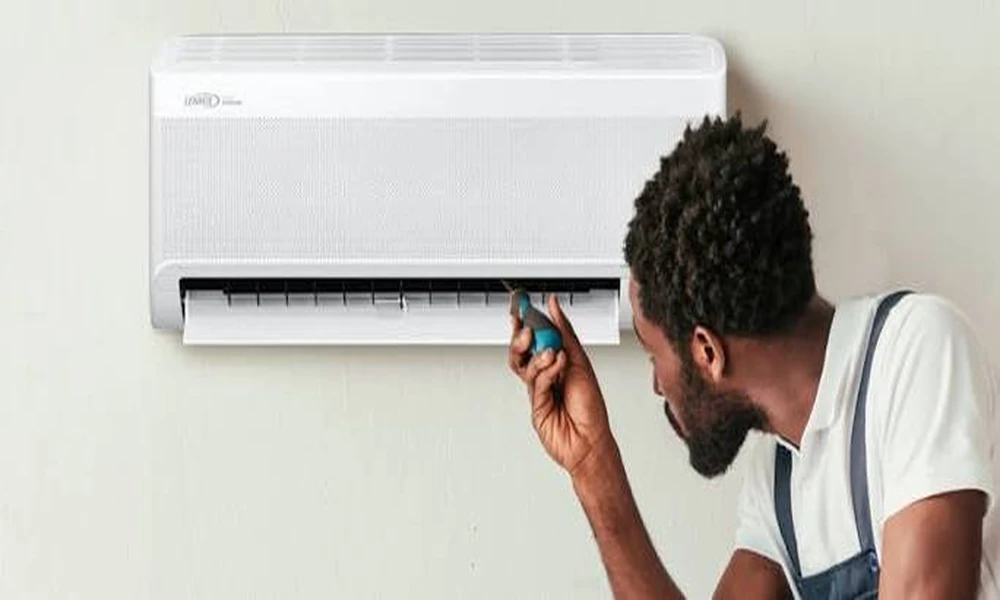
Sixteen minutes. That is how long it takes me to pull the filter screens out of my four indoor heads, rinse them in the utility sink, and let them dry on a dish towel. Sixteen minutes, three times a year, and my system has never once thrown a fault code. The number is worth saying out loud because the ductless maintenance conversation usually gets hijacked by two camps: people who think the whole thing is a scam, and people who treat a $30 filter like a sealed medical device. Neither camp is right.
What actually matters is knowing the split. Some tasks are yours, some belong to a technician with gauges and a leak detector, and the line between the two is a lot clearer than the industry makes it sound. If you would rather hand the whole list to someone else, a ductless heat pump maintenance plan folds the tech-side work into one annual visit with priority scheduling attached, which is the arrangement most homeowners land on after their first summer of forgetting.
Here is the honest version of what happens in that visit, what you should be doing between visits, and how to tell whether a plan is priced fairly or just padded.
What a technician actually does in that hour
The indoor head is where the visible work lives, and it is the part you can judge with your own eyes. A good tech opens the unit, pulls the filters, rinses or replaces them, then goes after the blower wheel and the coil behind it. That coil gets a soft brush and a coil cleaner, not a pressure washer. If someone shows up with a hose and a nozzle, send them home. Fins bend, and bent fins are permanent.
Then comes the part you cannot verify from the couch. The condensate drain line gets flushed and, in humid climates, treated so algae does not build a plug. Refrigerant pressures get checked against the manufacturer’s spec. Electrical connections get tightened and tested for draw. The outdoor condenser coil gets rinsed from the inside out.
I’ll take a stance here: if a service company will not tell you in advance whether refrigerant pressure testing and electrical testing are included, assume they are not. That distinction is the single biggest gap between a $99 special and a real tune-up, and it is the reason cheap annual visits exist. You are paying for the filter rinse either way. The testing is what you are actually buying.
Your side of the job, month by month
Ductless systems reward a light, consistent touch far more than an aggressive annual scrub. Here is the calendar I use, and I have yet to find a reason to deviate from it.
The filter schedule that keeps you out of trouble
- Monthly in heavy-use season: pull each filter screen, vacuum the loose dust, rinse under lukewarm water, dry fully before reinstalling. A damp filter grows things.
- Every three months otherwise: same rinse, plus a visual check of the blower wheel through the intake.
- Twice a year: wipe the exterior housing, clear anything sitting within a few feet of the outdoor unit, and check that the drain line outlet outside is dripping freely on a cooling day.
- Once a year: look at the outdoor coil fins. If they are matted with pollen, cottonwood fluff, or dryer lint, that is your cue to call.
Two things I would never do myself: open the refrigerant circuit, and pull the blower wheel out for a deep clean. The first is a licensing matter. The second is how people crack a plastic housing and then discover the replacement part ships in three weeks.
Why the filter matters more than the brand on the box
A clogged filter does not just cut airflow. It drops the coil temperature, and a coil running cold in humid air turns into a wet, biologically active surface. According to the Environmental Protection Agency, indoor air can carry pollutant concentrations well above what you would find outdoors, which is a decent argument for not letting your evaporator coil become a petri dish. The fix is boring and free. Rinse the screen.
When a maintenance plan beats paying per visit
Run the arithmetic on your own house rather than trusting a brochure. Take the per-visit rate in your market, multiply by the number of indoor heads, and add whatever the company charges for a diagnostic fee if a problem shows up in July. Then compare that to the plan’s annual number.
A plan makes sense when you have three or more indoor heads, when your system is more than five years old, or when you would otherwise go two years between services because you keep forgetting. It makes a lot less sense for a single-zone unit in a mild climate where you can stay on top of the filter yourself.
Watch for the soft benefits, too. Priority scheduling is worth real money in a heat wave, when every company in town is triaging calls. Discounts on repair parts are worth something only if the base repair rate is competitive, so ask for that number before you sign. And a credit toward a future system purchase is worth exactly nothing until you are actually in the market for one.
The federal government has been pushing heat pump adoption hard through tax credits and rebates, and the Department of Energy maintains the reference material on how these systems are rated and installed. Speccing and servicing, though, run on a different standard.
The American Society of Heating, Refrigerating and Air-Conditioning Engineers publishes the consensus standards that technicians are trained against, which is a useful thing to know when you are evaluating whether the person at your door is working from a checklist or from memory.
Red flags I would walk away from
I have watched enough of these visits to have a short list. If any of these show up, get a second opinion before you authorize work.
- Pressure washing the indoor coil or the outdoor fins.
- A flat recommendation to recharge refrigerant without a leak search. Refrigerant does not get used up. If it is low, something leaked.
- A quote for a new system on the first visit, with no readings written down.
- No written report. Ask for the pressure readings, the amp draw, and the filter condition in writing. A tech who tracks these will hand them over without being asked twice.
Ask them to photograph anything they say needs replacing. In my experience, the request alone changes the tone of the conversation.
What good maintenance actually buys you
A ductless system is a compressor, two coils, a fan, and a board, and none of those parts fail on a schedule. They fail when the coil is fouled, the drain is plugged, or the charge drifted after a small leak nobody looked for. Annual service is not a ritual. It is the only regular opportunity anyone has to catch those three things before they turn into a July emergency call.
So do the sixteen minute version yourself, all season long. Pay for the hour that comes with gauges, a leak detector, and a written report. And when you are comparing plans, price the testing, not the filter rinse. What did your last tune-up actually include, and could you prove it from the paperwork you kept?
