

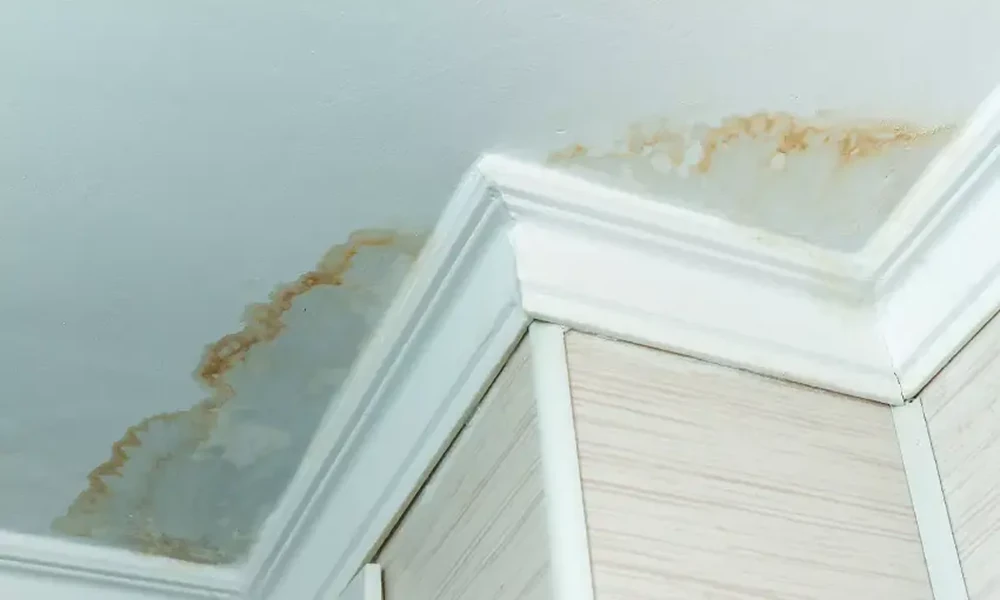
In central Minnesota, water damage rarely announces its source. A brown ring on a bedroom ceiling in February, a damp carpet edge in April and a swollen baseboard in July all get called “a leak.” Yet the cause behind each one changes with the calendar, and so does the repair. Reading the symptom correctly is the difference between fixing a problem once and repainting the same stain three winters in a row.
The scenarios below follow the way homes around Zimmerman, Elk River and the rest of Sherburne County actually take on water, from the roof edge down to the basement slab. Each one pairs what you see with the most likely cause and the fix that deals with the source, not just the drywall. One rule runs through all of them: the EPA advises drying water-damaged materials and items within 24 to 48 hours to prevent mold growth, so the clock starts the moment you notice the stain.
Based in Zimmerman and working on Minnesota houses since 2010, Get It Rite Construction LLC handles water, fire and storm restoration alongside the trades that usually come next, including roofing, siding, flooring and basement finishing. That pairing closes a gap many homeowners run into, where one company dries the structure and another has to be found to rebuild it. The crew works under Minnesota residential building contractor license BC638794, and a free in-home consultation leads to a written estimate before any work starts.
The ceiling stain after a snowy cold stretch
What you see: A tea-colored ring near an outside wall, usually on the top floor and close to where the roof meets the eave. It tends to grow on sunny days after heavy snow, and there are thick icicles hanging from the gutters.
Likely cause: An ice dam. Heat leaking into the attic warms the upper roof, snow melts there, and the water refreezes when it reaches the colder overhang. Water pooling behind that ridge of ice works its way under the shingles. University of Minnesota Extension ties ice dams to uneven roof surface temperatures and warns they can lead to mold when left alone.
The fix: In the short term, a roof rake can pull snow off the lowest few feet of the roof. Chopping at the ice with tools tends to damage the shingles. The permanent fix is in the attic: sealing air leaks around light fixtures, plumbing stacks and the attic hatch, then adding insulation and baffles so the roof deck stays cold. Indoors, check the insulation above the stain. Wet cellulose packs down and loses much of its value, and drywall that sags has to be replaced, not painted.
Water running from a wall after a deep freeze
What you see: A sudden volume of water rather than a slow drip. It often shows up the morning after a subzero night, or a day later when temperatures climb and a frozen line thaws. Typical spots are kitchen sinks on exterior walls, ceilings below unheated garages and crawlspace runs.
Likely cause: A frozen supply line that split. Ice inside the pipe raises the pressure between the blockage and the closed faucet until the weakest section gives way.
The fix: Shut off the main, open the faucets and get standing water out quickly. Wall cavities with wet fiberglass usually need to be opened, because insulation inside a closed wall rarely dries in place. On the insurance side, Minnesota Commerce Department guidance notes that a standard homeowners policy typically covers water damage from burst pipes. It also cautions against calling the event “flood damage,” since flood is excluded, and against permanent repairs before the adjuster inspects. Rerouting the line away from the exterior wall or adding insulation behind it prevents a repeat.
A damp line along the basement floor during spring thaw
What you see: Water at the joint where the floor meets the foundation wall, a white crusty residue on the concrete, and a musty smell. It tends to appear in March or April as the snowpack melts.
Likely cause: Saturated soil pressing against the foundation. While the ground is still frozen a few inches down, meltwater cannot soak in and runs along the surface toward the house. Short downspouts dumping next to the foundation and backfill that has settled into a slope toward the walls make it worse.
The fix: Start outside. Downspout extensions and regrading so the soil falls away from the house solve a surprising share of spring seepage. If water still comes in, interior drain tile and a sump pump handle what the grading cannot. In a finished basement, the carpet pad and the bottom section of drywall usually come out so the framing can dry. When rebuilding, moisture-tolerant flooring and wall finishes are worth considering.
Wet drywall under a window after a summer storm
What you see: Staining below the corners of a window, or around a vent or light on an outside wall, after wind-driven rain. Outside, there may be dented siding or gutters, or shingle granules collecting at the bottom of the downspouts.
Likely cause: Storm damage letting water past the outer layer of the house. Hail can crack vinyl siding and bruise shingles, while strong wind drives rain behind flashing that held up fine in normal weather. This is a building envelope problem, not a plumbing one.
The fix: Photograph everything before tarping or boarding up, then make temporary repairs to stop more water from getting in. A proper inspection looks behind the siding at the house wrap and the window flashing. A bead of caulk on the outside only hides the symptom. Roof damage from the same storm often shows up weeks later as a second stain somewhere else.
A soft floor or swelling cabinet with no storm and no freeze
What you see: Laminate planks cupping at the edges, a vanity toe kick puffed up and flaking, or a faint sour smell under the kitchen sink. Nothing dramatic happened to set it off.
Likely cause: A slow leak from a dishwasher supply line, a loose drain slip joint, a failing toilet wax ring or a refrigerator ice maker line. These drip for weeks before anyone notices.
The fix: A moisture meter traces the wet area back to its source. The failed connector gets replaced, and the flooring often has to come up so the subfloor can dry. Particleboard cabinet bases rarely recover once they swell. Many policies treat gradual leaks differently from sudden ones, so the water damage section of the policy is worth reading before filing.
When one stain could have two causes
The trickiest cases sit between the categories above. A ceiling stain that shows up during a March warm spell might come from an ice dam, or it might come from frost that built up on the underside of the roof deck all winter and then melted at once. That frost usually traces back to a bath fan venting into the attic instead of outside. Both leave a similar ring, but one is fixed at the eave and the other at the fan duct. The date of the stain, the weather the week before and its position relative to walls and fixtures usually point to the real source. Matching those clues before the drywall comes down is what keeps the same repair from coming back next season.
