

Key Takeaways
- Smart technology is transforming Austin’s real estate market, improving how homes are bought, sold, and evaluated.
- Virtual tours, AI-driven valuations, and digital tools are making transactions faster and more accessible.
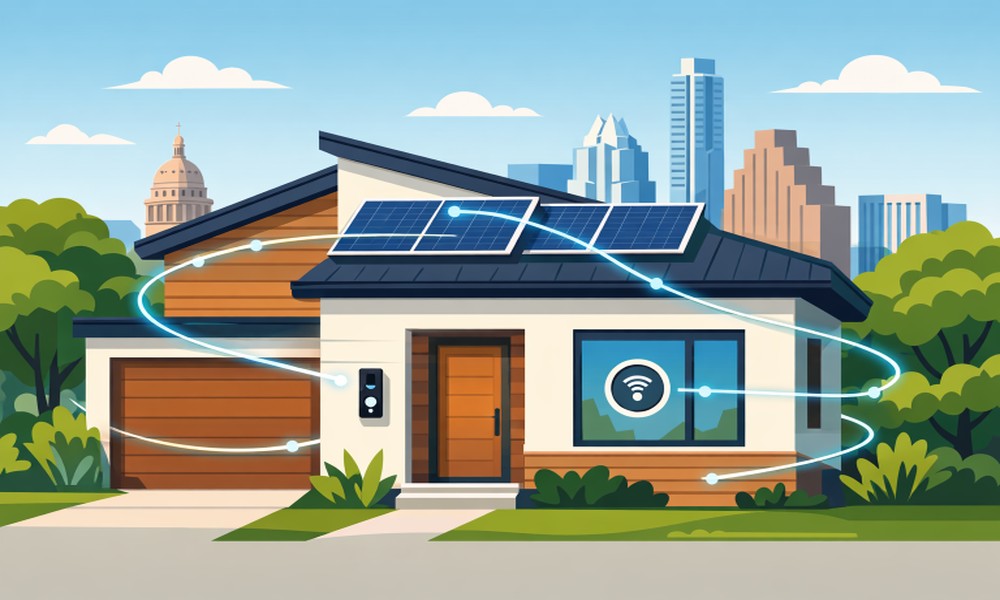
- Smart home features such as automation, energy management, and security systems are now key expectations for buyers.
- Data-driven insights are helping buyers and sellers make more informed and competitive decisions.
- Sustainability and energy efficiency are becoming major value drivers in modern Austin properties.
- Digital transaction tools are streamlining paperwork and enabling fully remote closings.
Austin, Texas, renowned for its vibrant tech scene and rapid growth, is witnessing a significant transformation in its real estate market. The integration of smart technology is reshaping how homes are bought and sold, offering enhanced convenience, efficiency, and security to both buyers and sellers. For those navigating this evolving landscape, partnering with experienced professionals like Austin TX real estate agents DEN Property Group can provide invaluable insights and guidance. DEN Property Group is a high-touch independent firm specializing in helping discerning buyers, sellers, investors, and developers achieve their real estate goals through collaboration, creativity, and an unmatched dedication to service. Their deep understanding of Austin’s neighborhoods and commitment to personalized service make them a trusted authority in the local real estate market.
Virtual Tours and 3D Walkthroughs
Gone are the days when prospective buyers had to visit multiple properties in person. Virtual tours and 3D walkthroughs now allow individuals to explore homes remotely, providing a comprehensive view of a property’s layout and features. This technological advancement saves time and enables out-of-town buyers to assess properties without traveling.
In the past few years, these immersive experiences have become even more sophisticated, with high-definition video and interactive elements allowing users to “walk” from room to room and even visualize potential renovations. This technology is especially beneficial during a brisk real estate season or for buyers relocating from other states. Increasingly, sellers and agents are also leveraging augmented reality to showcase how a space might look when furnished, helping buyers envision themselves in the home before ever stepping inside.
AI-Powered Property Valuations
Artificial intelligence is revolutionizing property valuations by analyzing vast amounts of data, including local sales history, economic trends, and even satellite imagery. This approach provides more accurate, dynamic property assessments, enabling buyers and sellers to make informed decisions based on real-time market conditions.
Machine learning models consider variables that traditional methods might overlook, such as recent zoning changes or the emergence of new local amenities. In highly competitive markets like Austin, where price volatility can be significant, AI-powered insights help ensure both buyers and sellers stay informed about a property’s true value. AI is also enhancing automated home appraisals, making the lending process quicker and more equitable for all parties involved.
Smart Home Features as Standard Expectations
Modern homebuyers in Austin increasingly expect smart home features as standard amenities. Technologies such as smart thermostats, lighting systems, and security cameras not only enhance convenience but also contribute to energy efficiency and safety. Homes equipped with these features often stand out in the competitive market, appealing to tech-savvy buyers.
In addition, integrating smart appliances such as refrigerators, ovens, and washers can significantly enhance the overall living experience. Buyers are now researching compatibility with home automation platforms and voice control technology as part of their decision-making process. As a result, properties without such features may find themselves at a competitive disadvantage, prompting sellers to invest in modernizing older homes with smart upgrades.
Data-Driven Decision Making
The availability of comprehensive data analytics empowers buyers and sellers to make informed decisions. Factors like hyperlocal market trends, property tax records, and school performance metrics are now easily accessible, providing a deeper understanding of a property’s value and potential. This data-driven approach levels the playing field and demands more transparency from real estate professionals.
With predictive analytics, agents and clients can identify emerging neighborhoods, anticipate shifts in demand, and tailor their strategies accordingly. This granular level of insight helps buyers invest with confidence and enables sellers to price homes competitively. Ultimately, the reliance on up-to-date, data-rich platforms is fostering a new era of accountability and responsiveness in Austin’s real estate ecosystem.
Enhanced Security and Surveillance
Safety remains a top priority for Austin residents, and digital systems can strengthen that trust. Smart security systems, including video doorbells and AI-powered surveillance cameras, offer real-time monitoring and alerts, providing homeowners with peace of mind. These features are particularly appealing in urban areas where security is a concern.
The newest smart security devices now offer facial recognition and package detection, and can even integrate with smart locks, enabling residents to monitor and control access to their homes remotely. As more families prioritize safety in their home-buying checklists, these systems have become a compelling selling point and a standard expectation across new construction projects.
Energy Efficiency and Sustainability
Smart home technologies contribute significantly to energy efficiency. Automated systems like smart thermostats and irrigation controls adapt to occupancy and weather conditions, reducing energy consumption and utility costs. These sustainable features align with Austin’s environmentally conscious community and are attractive to eco-minded buyers.
In fact, Austin has seen a rise in solar-powered homes and energy storage technologies, further fueled by incentives from local and state governments. Programmable window shades, water-saving fixtures, and app-controlled power strips are now common, and builders are increasingly seeking LEED certification or other green credentials to boost a home’s appeal. As sustainability takes center stage, these elements not only align with community values but also deliver long-term financial benefits to homeowners.
Streamlined Transactions with Digital Tools
The adoption of digital tools has streamlined the home-buying process. Electronic signatures, online document management, and virtual consultations have reduced paperwork and expedited transactions. This efficiency is particularly beneficial in Austin’s fast-paced real estate market, where timely decisions are crucial.
Entire real estate closings can now be conducted remotely, with some buyers never setting foot in a real estate office. Additionally, blockchain technology is gaining traction as a way to further secure transactions and minimize the risk of fraud, ensuring a transparent, tamper-proof record of ownership transfers. This digital transformation is making home buying in Austin more accessible than ever, especially for out-of-state and international investors.
Final Thoughts
The integration of smart technology into Austin’s real estate market is not just a trend but a fundamental shift in how homes are bought and sold. Embracing these innovations enhances the buying experience, offering convenience, security, and efficiency. As technology continues to evolve, staying informed about these advancements will be key for anyone navigating the Austin housing market.
Ultimately, smart technology is creating a more agile, transparent, and responsive real estate industry in Austin. Whether you’re a first-time homebuyer, an investor seeking sustainable properties, or a seller looking to maximize your return, these digital advancements position you for greater success. With continued investment in smart amenities and data-driven platforms, Austin is set to lead the way in shaping the future of real estate, not only locally but also as a model for cities nationwide.
