

Key Takeaways
- Augmented Reality (AR) Head-Up Displays (HUDs) project essential information onto the windshield, enhancing driver awareness and safety.
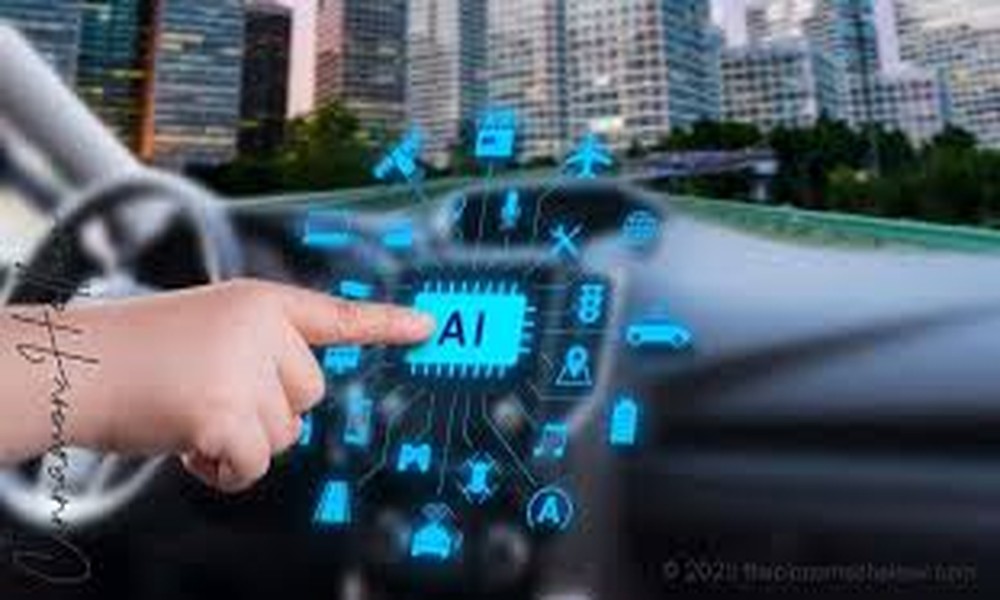
- Voice-activated controls and artificial intelligence (AI) enable intuitive, hands-free operation of vehicle systems.
- Connected car technology enables over-the-air updates, keeping your car always up to date.
- In-car infotainment delivers personalized entertainment and comfort for all occupants.
- Biometric systems secure vehicles and optimize settings based on each driver’s profile.
- Adaptive technologies proactively respond to changing conditions for a smoother, safer ride.
Table of Contents
- Introduction
- Augmented Reality Head-Up Displays (AR HUDs)
- Voice-Activated Controls and AI Integration
- Connected Car Technology
- In-Car Entertainment and Infotainment Revolution
- Biometric Systems for Personalization
- Adaptive Technologies
The landscape of modern driving is changing faster than ever, with groundbreaking automotive technologies redefining what it means to own and operate a car. Today’s vehicles are equipped with features that boost comfort, enhance safety, and add excitement for drivers and passengers alike. Whether it is cutting-edge navigation tools or highly personalized in-car environments, new technology is making each journey more intuitive and connected. Learn more about the latest models and how these advancements can transform your daily commute or next road trip.
From augmented reality dashboards to AI-powered voice commands, the modern car delivers a smarter, safer, and more entertaining ride. These technologies not only streamline the driving experience but also create opportunities for drivers to interact with their environment in ways that were once unimaginable. As car manufacturers continue to innovate at a rapid pace, staying informed about what is new is more important than ever for anyone in the market for a new or upgraded vehicle.
In-car technology is not just about convenience. It brings significant improvements across proactive safety, adaptive performance, and digital connectivity. As vehicle systems evolve to anticipate driver needs, the focus shifts from traditional controls to seamless, smart interfaces that respond to voice, touch, or even eye movement. This new era of driving places user experience front and center by merging human preferences with automotive engineering.
For drivers and passengers alike, these advancements promise a future where travel is safer, more entertaining, and uniquely tailored to individual lifestyles. Familiarizing yourself with today’s top new car technologies can help you select a vehicle that evolves alongside your personal and professional requirements. As technology continues to shape every aspect of the driving experience, informed buyers are better positioned to make the most of what modern vehicles have to offer.
Augmented Reality Head-Up Displays (AR HUDs)
AR HUDs are taking center stage as one of the most impactful new vehicle technologies. By projecting navigation cues, speed, lane guidance, and hazard warnings directly onto the windshield, drivers no longer need to divert their gaze from the road. This real-time data overlay not only increases safety but also streamlines decision-making during challenging driving conditions. Automakers such as Audi and Mercedes-Benz have led the charge by integrating robust AR features into their luxury models, enhancing how drivers navigate and react to their surroundings. For an in-depth look at luxury AR systems, resources such as Newsweek offer insightful case studies on their adoption and impact.
Voice-Activated Controls and AI Integration
Voice recognition and artificial intelligence have brought about a transformative shift in car interiors. Drivers can now use conversational speech to set navigation routes, adjust the cabin temperature, manage playlists, or make calls, all without touching a button. AI-driven assistants like the Mercedes-Benz User Experience (MBUX) system learn and adapt to each driver’s preferences, making future interactions even smoother. These advancements minimize distractions and enable safe multitasking while driving.
Connected Car Technology
Modern vehicles leverage high-speed data and wireless communication to stay connected to the world around them. With built-in Wi-Fi hotspots, real-time traffic analytics, and seamless over-the-air software updates, connected car technology ensures drivers benefit from the latest features and security improvements without ever needing to visit the dealership. Connectivity also enables integration with smart home devices, remote diagnostics, and the ability to control aspects of the car from mobile devices. As automakers move toward greater digital integration, the convenience and efficiency for owners continue to expand.
In-Car Entertainment and Infotainment Revolution
Today’s infotainment systems blend comfort and customization in exciting new ways. Expansive touchscreens, personalized driver profiles, and compatibility with streaming services define the next generation of in-car entertainment. Some vehicles, like the Sony-Honda Afeela, have even introduced dashboards that span the entire width of the car, creating a cinematic experience complete with gaming support and high-quality audio. Rear passengers can enjoy individual screens and unique content, making every trip enjoyable, whether a solo commute or family holiday. These entertainment systems are a central aspect of vehicle design and can shape buyer preferences as much as performance or safety features.
Biometric Systems for Personalization
Biometric authentication is redefining auto security and comfort. With technologies like fingerprint readers and facial recognition, vehicles automatically recognize the driver and adjust seats, mirrors, temperature, and music to pre-set preferences. This creates a personalized cabin experience for multi-driver households and for fleet and rideshare vehicles. Advanced biometric systems can even restrict access to sensitive storage compartments or initiate valet and parental control modes, enhancing security and flexibility. These features are expected to become more widespread as manufacturers seek to create a seamless link between personal identity and mobility.
Adaptive Technologies
Adaptive vehicle technology represents the future of driver assistance and proactive care. Tools such as adaptive cruise control, weather-responsive lighting, and predictive maintenance use sensor and AI data to anticipate the needs of both the driver and the vehicle. Instead of waiting for issues to arise, these systems provide early warnings and support for safer journeys and fewer surprises. Adaptive technologies also include dynamic driving modes that adjust steering, suspension, and throttle response to suit conditions, further enhancing driver control and confidence.
Innovations in automotive technology continue to redefine driver expectations and experiences. With the integration of AR dashboards, voice-activated AI, always-on connectivity, powerful infotainment, biometric personalization, and adaptive technologies, today’s vehicles offer an unprecedented blend of safety, security, comfort, and excitement. Staying informed about these advancements places you in the best position to select a vehicle that matches your lifestyle and leverages the full potential of modern automotive engineering.
