

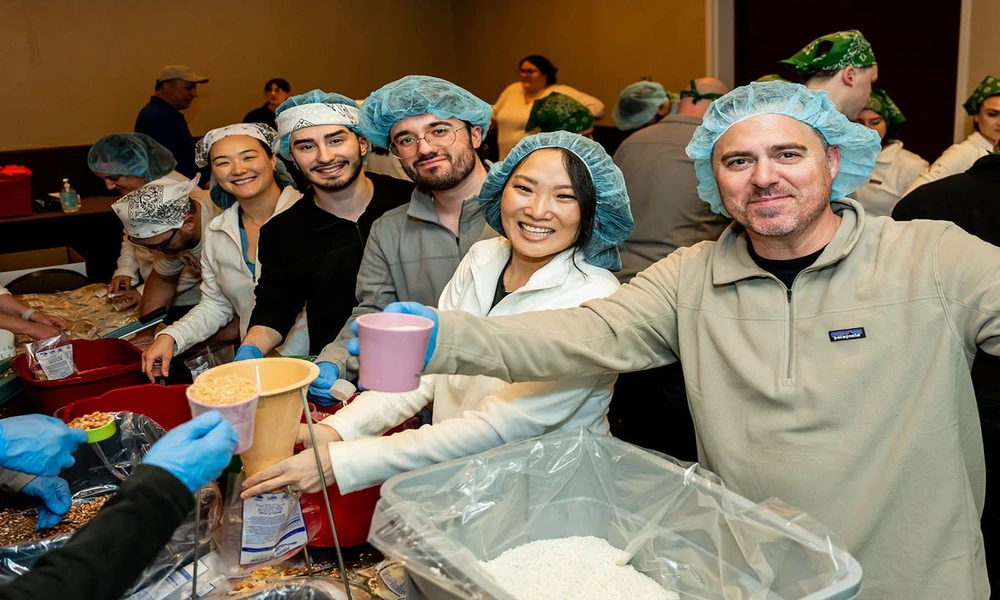
Empty plates often reveal hidden community challenges. A shared meal can ease pressure quickly. Food giving creates direct human connections. Neighbors notice needs through simple interactions. Local initiatives strengthen trust across different backgrounds. Digital platforms widen participation without adding complexity. Through a Meal sharing app Malaysia, individuals can connect surplus food with people needing immediate assistance while building stronger local relationships.
Why Does Meal Giving Create Lasting Community Value?
Hunger affects more than physical wellbeing alone. Missed meals can reduce daily confidence. Children learn better with proper nourishment. Older residents gain comfort through regular access.
When food reaches someone at the right moment, dignity remains intact. A warm meal offers reassurance during difficult circumstances. Small gestures often leave deeper impressions than financial assistance delivered from a distance.
Small Contributions Often Produce Wider Outcomes
Large campaigns attract public attention quickly. Yet neighborhood action changes daily realities. One household may prepare extra servings weekly. Another family may donate unused ingredients.
Those efforts combine into practical community resources.
- Extra portions reach nearby households
- Surplus produce avoids unnecessary disposal
- Volunteers strengthen local social bonds
- Shared meals encourage mutual respect
- Neighborhood trust develops through action
Can Technology Strengthen Human Generosity?
Food assistance works best when coordination stays simple. Missed communication often delays valuable donations. Digital solutions help connect available resources efficiently.
In a Meal sharing app Malaysia, donors identify nearby opportunities quickly. Recipients receive access without complicated procedures. Restaurants can redirect prepared meals before disposal. Community groups gain clearer visibility into local requirements, reducing wasted effort and improving participation.
What Practical Actions Make The Greatest Difference?
Meaningful impact rarely begins with grand commitments. Consistent participation creates stronger outcomes over time. Several approaches deliver measurable benefits.
- Cook additional portions during family meals
- Offer unopened pantry items locally
- Join neighborhood food distribution efforts
Another useful step involves restaurant partnerships. Prepared dishes nearing service deadlines retain value. Distribution networks ensure suitable recipients receive food promptly. Resources stay productive rather than entering waste streams.
Beyond Food: Creating Human Connection
Shared meals create opportunities for conversation and understanding. People recognize familiar faces through repeated interactions. Community ties develop through direct engagement.
A donated meal may open unexpected doors. Elderly residents gain social contact. Single parents receive temporary relief. Students facing financial strain access nourishment without embarrassment. Relationships formed through food often continue beyond initial assistance, creating stronger neighborhood networks.
Common Questions About Community Meal Giving
How can individuals begin meal sharing?
Start with extra portions or unused groceries. Local groups often welcome participation immediately.
Do small food donations matter?
Yes. Several modest contributions often help numerous households.
Can businesses participate effectively?
Restaurants, cafes, and food retailers contribute valuable surplus meals.
Does meal sharing reduce food waste?
Food reaches people instead of disposal facilities.
Where Impact Becomes Visible
A restaurant meal redirected before closing carries value beyond nutrition. It preserves resources, respects effort, and reaches someone facing immediate need. Communities become stronger when practical care moves through everyday channels. The strongest social impact rarely begins with large institutions. Often, it starts when one prepared meal travels a short distance and changes someone’s day completely.
